What You Need to Know Before Starting a Commercial Roof Installation
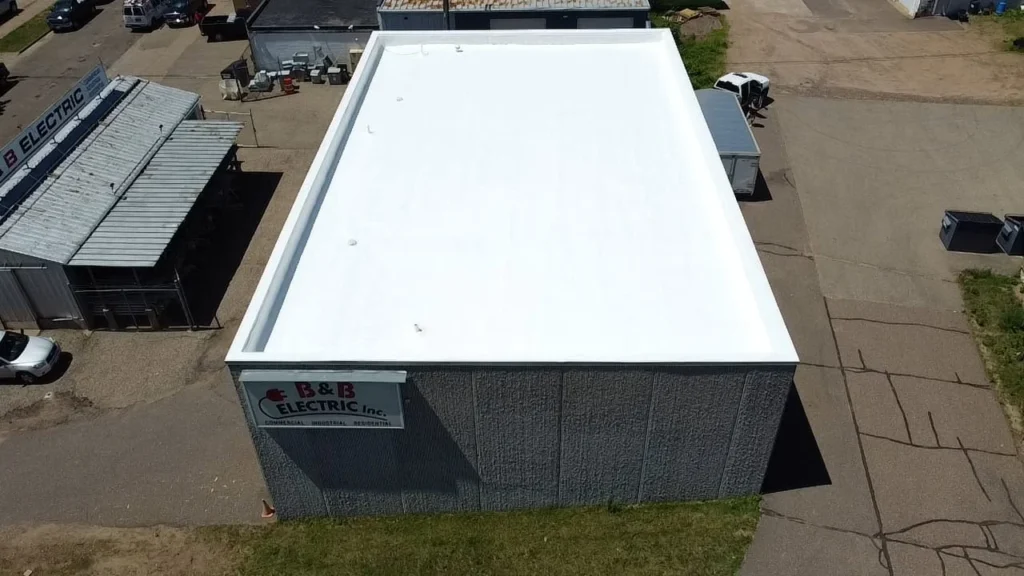
Commercial roof installation is one of the most important investments you’ll make as a building owner. Done right, it protects your assets, keeps energy costs down, and holds up through decades of weather.
Here’s a quick overview of what’s involved:
| Step | What Happens |
|---|---|
| Assessment | Inspect existing roof, deck, insulation, and drainage |
| Material Selection | Choose TPO, PVC, EPDM, SPF, or modified bitumen based on building needs |
| Surface Prep | Tear off old materials, repair deck, test for moisture |
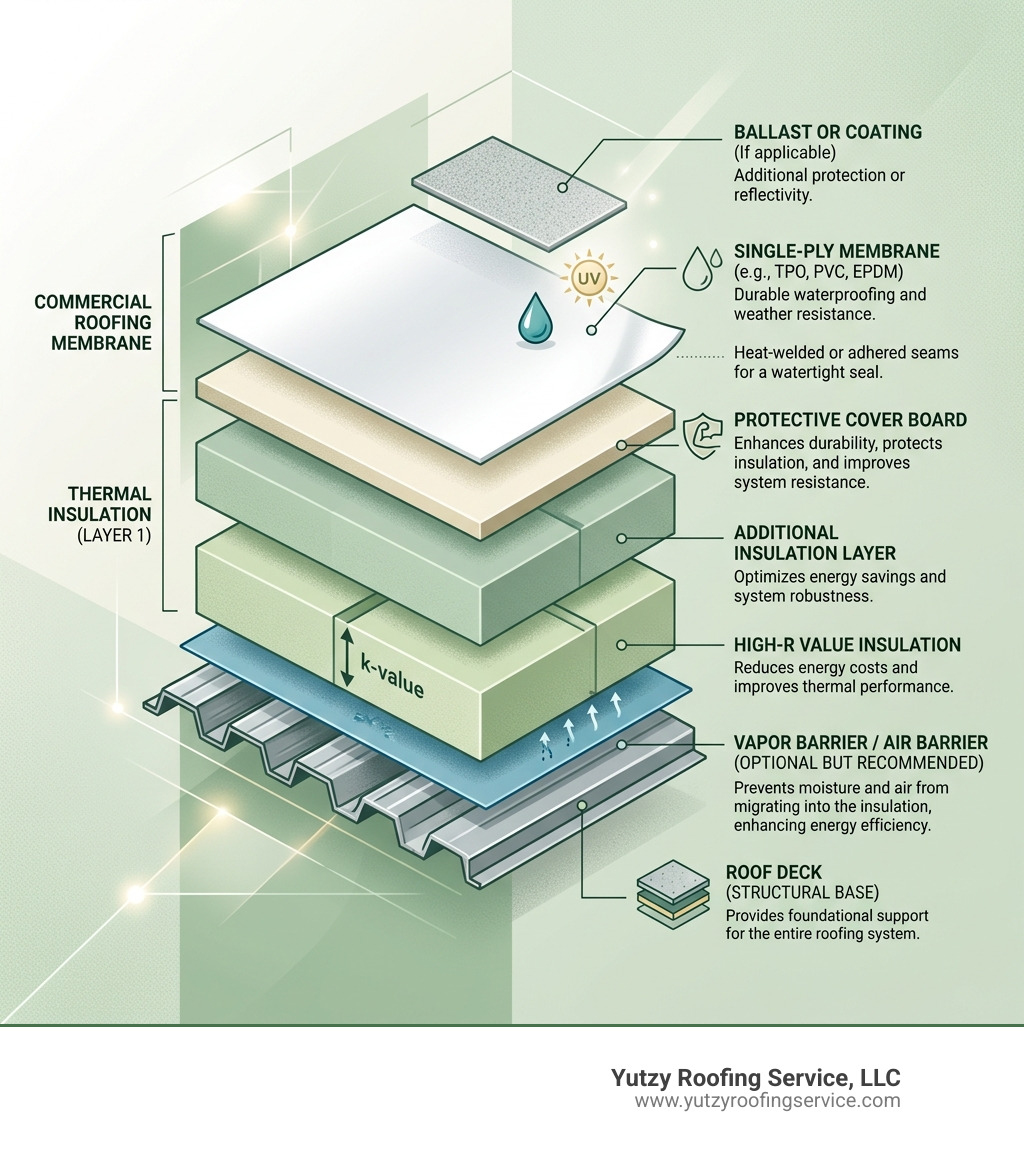
| Installation | Lay insulation, vapor barrier, and membrane; seal all seams |
| Flashing & Drainage | Integrate edge details, flashings, and drain systems |
| Final Inspection | Verify code compliance, seam integrity, and warranty requirements |
| Maintenance Plan | Schedule regular inspections to protect your investment |
The average flat commercial roof lasts just 7 to 15 years before it starts leaking. But with the right system and proper installation, you can get 20 to 30 years of reliable, waterproof performance.
That gap — between a roof that fails in 10 years and one that lasts 30 — almost always comes down to how well the job was done, not just what material was used.
Wisconsin building owners face an extra challenge. Freeze-thaw cycles, heavy snow loads, and hot summers put serious stress on commercial roofing systems. A poorly installed roof won’t just leak — it can lead to insulation damage, structural problems, and costly interior repairs.
I’m Josh Yutzy, and my family has been handling commercial roof installation across Wisconsin since 1995. In that time, we’ve learned exactly what separates a roof that holds up from one that fails early. This guide walks you through everything you need to know to make a smart, informed decision.
Common Commercial Roofing Systems and Materials
When it comes to commercial roof installation, there is no “one size fits all” solution. The material you choose will dictate how your building breathes, how much you pay in utilities, and how often you’ll need to climb up there for repairs. In our experience serving areas like Madison and Eau Claire, we see a wide variety of systems, but a few stand out as the heavy hitters.
To help you visualize the differences, here is a comparison of the most popular systems we handle:
| Feature | TPO | PVC | EPDM | SPF (Spray Foam) |
|---|---|---|---|---|
| Seam Method | Heat-Welded | Heat-Welded | Adhesive/Tape | Seamless |
| Chemical Resistance | Good | Excellent | Fair | Good |
| UV Reflectivity | High | High | Low (unless coated) | High |
| Flexibility | Moderate | High | Excellent | High |
| Typical Lifespan | 20-30 Years | 20-30+ Years | 30+ Years | 20+ Years (Renewable) |
Single-Ply Membranes
Single-ply membranes are the most common choice for modern flat roofs. They are essentially large sheets of rubber or plastic polymer that are rolled out and fastened to the roof. You can learn more about these in our guide on The Most Common Types Of Commercial Roofing Systems Explained.
- TPO (Thermoplastic Polyolefin): This is the “Goldilocks” of roofing—it’s cost-effective and highly reflective. TPO is great for reducing cooling costs because it bounces UV rays away from the building, often meeting Energy Star performance levels for solar reflectance.
- PVC (Polyvinyl Chloride): If your building is a restaurant or a manufacturing plant, PVC is likely your best bet. It is incredibly resistant to chemicals, grease, and fire. Like TPO, it features heat-welded seams that are actually stronger than the membrane itself.
- EPDM (Ethylene Propylene Diene Monomer): Often called “rubber roofing,” EPDM is a black membrane known for its incredible durability. It handles the brutal Wisconsin winters exceptionally well because it remains flexible even when temperatures drop well below zero.
Spray Polyurethane Foam (SPF)
SPF is a unique beast. It’s applied as a liquid that expands into a solid, seamless foam across the entire roof. Because there are no seams, there are no places for leaks to start. We often recommend this for restoration projects because it adds a massive amount of insulation (R-value) to your building while providing a lightweight, waterproof barrier. If you’re wondering which is best for you, check out our tips on How To Choose The Right Type Of Roof Membrane For Your Commercial Building.
Selecting the Best Membrane for Your Facility
Choosing a material isn’t just about the price tag. You have to consider the “lifestyle” of your building.
- Climate: In Wisconsin and Minnesota, we deal with “ice damming” and heavy snow. Materials like EPDM and SPF are fantastic here because they don’t become brittle in the cold. You can see more on this in our breakdown of Top Options For Commercial Roofing In Wisconsin.
- Foot Traffic: If you have HVAC technicians walking on the roof every week, you need a thicker, more durable membrane (like a 60-mil or 80-mil PVC) or a dedicated walkway system.
- Ponding Water: If your roof has a very low slope where water tends to sit, a seamless SPF system or a heat-welded PVC membrane is superior to taped systems, which can eventually break down under standing water.
The Step-by-Step Commercial Roof Installation Process
A successful commercial roof installation is like a well-choreographed dance—if one person misses a step, the whole thing falls apart (and usually ends with a bucket in your hallway).
Preparing for Commercial Roof Installation
The most critical part of the process happens before the first piece of new membrane is even touched. We start with a comprehensive assessment. This often includes infrared moisture scanning. This technology allows us to “see” through the top layer to find trapped moisture in the insulation. If we find wet insulation, it must come out. Installing a new roof over wet materials is a recipe for mold and structural rot.
Next comes the surface preparation. Depending on the building, this might involve a full “tear-off” where we remove everything down to the structural deck. We then inspect the deck for integrity—checking for rusted steel or rotted wood. If the “bones” of the roof aren’t solid, the new skin won’t last. For those in our service areas like Green Bay or Wausau, you can find more details on our Roofing Installation And Replacement Services page.
Finalizing Your Commercial Roof Installation
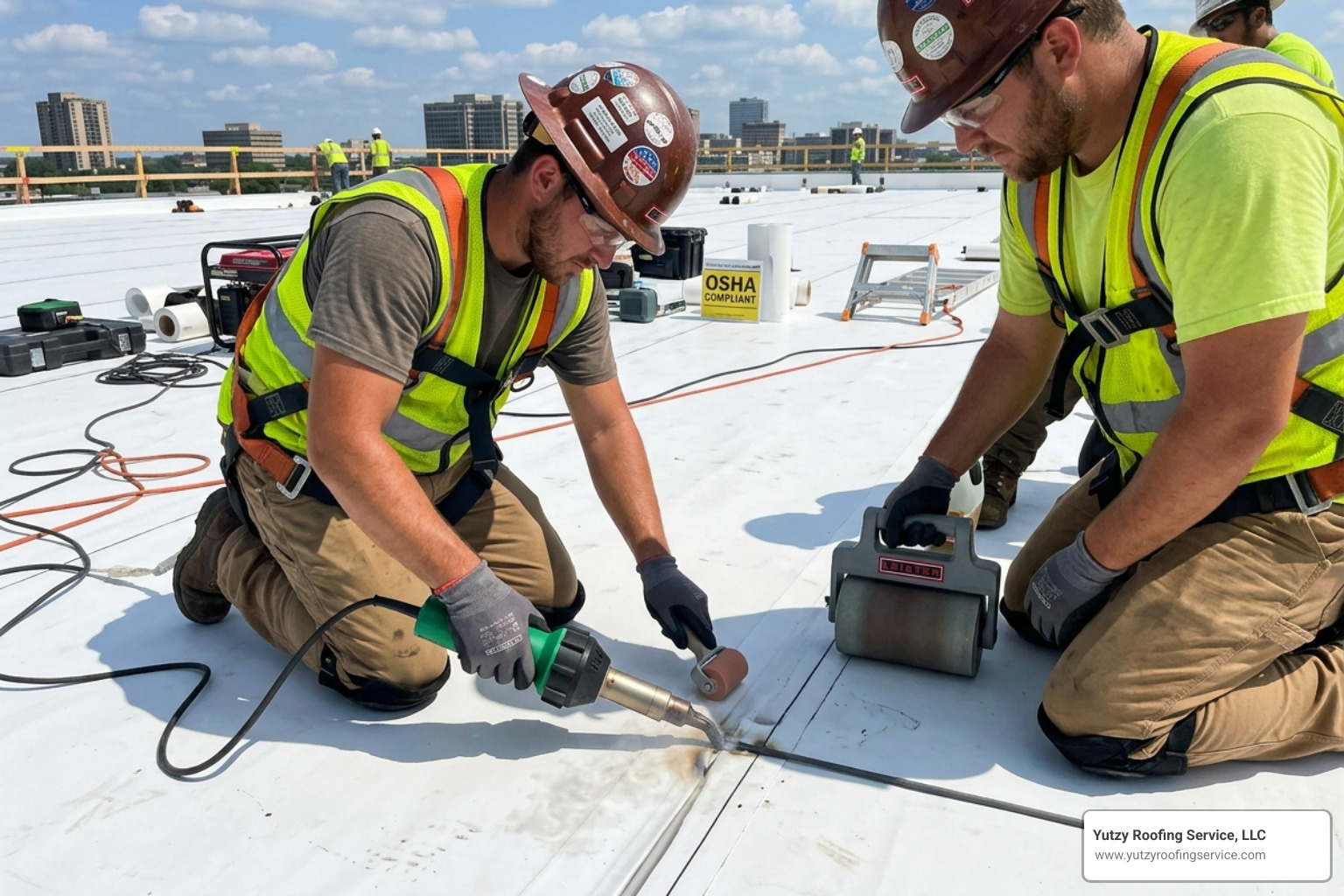
Once the substrate is ready and the insulation is fastened, we lay the membrane. But the job isn’t done once the field is covered. The real skill is in the “details”:
- Flashing Integration: This is the material used to seal the edges of the roof and any penetrations like pipes or HVAC units. Most leaks start at the flashings, so we pay extra attention here.
- Drainage Systems: We ensure the roof has a slight slope (even “flat” roofs shouldn’t be perfectly flat) to direct water toward drains or scuppers.
- Edge Detailing: Secure metal edges prevent wind from getting under the membrane and peeling it back like a sardine can during a storm.
- Final Walkthrough: We perform a meticulous inspection to verify every seam is perfectly sealed. This ensures the project meets both local code compliance and manufacturer warranty requirements.
Critical Factors Influencing Cost and Timeline
We know the two questions every building owner asks: “How much?” and “How long?” While every project is unique, several factors consistently drive the numbers.
Square Footage and Complexity
Obviously, a 50,000-square-foot warehouse in Fond du Lac will cost more than a 5,000-square-foot retail shop in Madison. However, complexity often matters more than size. A roof with 50 skylights, 20 HVAC units, and multiple levels requires significantly more labor and detailing than a wide-open flat space.
Material Selection and Labor
Materials like TPO are generally more budget-friendly, while PVC and high-end metal restorations sit at a higher price point. Labor is also a factor; for example, a ballasted EPDM roof (held down by rocks) is faster to install than a fully adhered system where every inch of the membrane is glued to the insulation. If you’re curious about the clock, read our article on How Long Does It Take To Replace A Roof.
Logistics and Weather
In the Midwest, weather is our boss. We can’t install most membranes in a downpour or during a blizzard. Beyond that, we have to consider:
- Staging Areas: Where do we put the trash chutes and the cranes?
- Building Height: Tall buildings in downtown areas require specialized equipment and permits to manage street closures.
- Occupant Disruption: We work hard to minimize noise and odors, especially for sensitive environments like hospitals or schools.
Maximizing Longevity with Maintenance and Warranties
A commercial roof installation is not a “set it and forget it” project. To get the most out of your investment, you need a plan for the “after.”
The Power of Preventive Care
We recommend at least two inspections per year—ideally in the spring and fall. These inspections catch small issues before they become disasters. We look for:
- Debris Removal: Leaves and trash can clog drains, leading to “ponding” water that weighs thousands of pounds.
- Seam Checks: We check for any areas where the membrane might be pulling away.
- Sealant Inspection: Caulking around vents and pipes can crack over time due to the sun.
Understanding Warranties
Don’t be fooled by a “30-year warranty” that only covers the cost of the material. If a $500 roll of TPO fails and causes $50,000 in water damage to your inventory, a material-only warranty won’t help you.
- NDL (No Dollar Limit) Warranties: These are the gold standard. They cover both the material and the labor to fix a leak, with no cap on the cost.
- Workmanship Coverage: This covers errors made during the installation process.
- Our USP: At Yutzy Roofing Service, we offer an up to 18-year non-prorated renewable warranty. Because it’s non-prorated, the value doesn’t drop as the roof gets older. And because it’s renewable, you can extend your protection for decades. Check out our A Guide To The Different Types Of Commercial Roofs for more on protection plans.
Frequently Asked Questions about Commercial Roofing
How long does a typical commercial roof last?
While the average flat roof might start struggling at year 10, a high-quality commercial roof installation should last 20 to 30 years. Systems like EPDM and PVC are famous for their longevity. The key is maintenance; a roof that is ignored will always fail faster than one that is cared for.
Can you install a new roof over an existing one?
Sometimes! This is called a “roof recovery.” It can save you a lot of money on tear-off costs. However, building codes usually only allow for two layers of roofing. We also must perform moisture detection—if the old roof is full of water, we cannot legally or ethically install a new one over it. We have to ensure the structural load can handle the extra weight.
What are the signs of a failing commercial roof?
- Interior Leaks: The most obvious sign, but often the last one to appear.
- Pooling Water: If water stays on your roof for more than 48 hours after a rain, your drainage is failing.
- Membrane Blistering: Bubbles in the membrane suggest that air or moisture is trapped underneath.
- Rising Energy Costs: If your AC is working harder than usual, your roof insulation might be wet and losing its effectiveness.
Conclusion
A commercial roof installation is a complex undertaking, but it doesn’t have to be a headache. By choosing the right materials, ensuring meticulous surface preparation, and sticking to a proactive maintenance schedule, you can protect your building for decades.
At Yutzy Roofing Service, LLC, we specialize in helping building owners in Madison, Appleton, Wausau, and throughout Wisconsin and Minnesota get the most out of their roofs. Whether you need a full replacement, a spray foam coating to boost energy efficiency, or a commercial roof restoration to breathe new life into an aging system, we’re here to help.
Our 18-year non-prorated renewable warranty is our promise to you that we stand behind our work. Ready to protect your investment? Visit us at https://www.yutzyroofingservice.com/ to schedule your inspection today. Let’s make sure your next roof is your best one.
