Choose Commercial Roof Coating Experts Before Leaks Become a Tear-Off
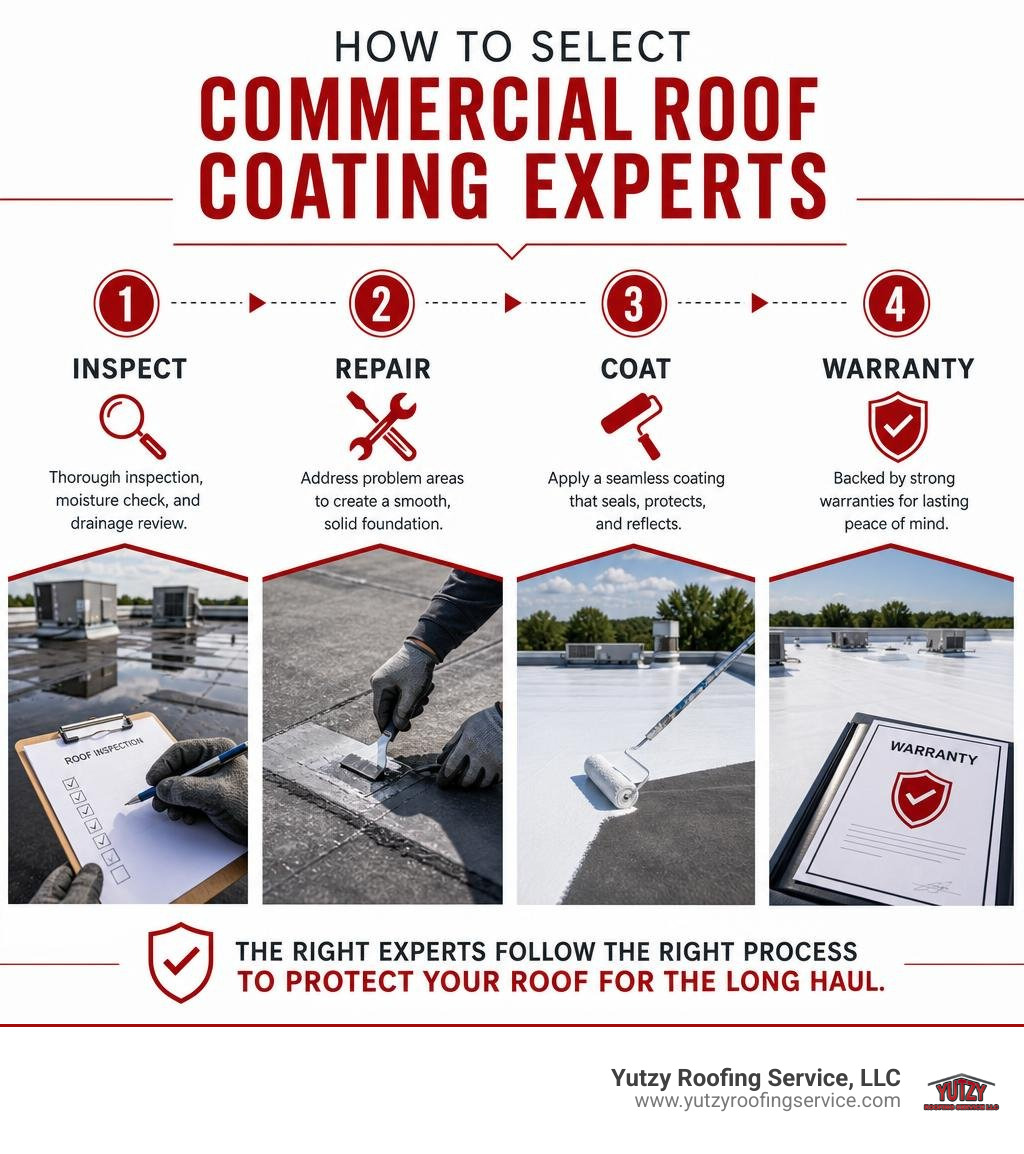
The right commercial roof coating experts start with a roof inspection, moisture check, and drainage review. If the existing membrane is sound and dry enough to restore, a professionally installed coating can seal vulnerable areas, reflect sunlight, and delay a costly tear-off. Choose a contractor with commercial coating experience, manufacturer-backed training, proper insurance, and a clear plan for surface preparation, repairs, and warranty coverage.
For Wisconsin business owners, this matters in every season. Flat roofs face standing water, freeze-thaw cycles, summer UV exposure, and foot traffic around HVAC equipment. A seamless coating system can protect an aging roof and may extend its useful life by 15 to 25 years when the roof is a good restoration candidate.
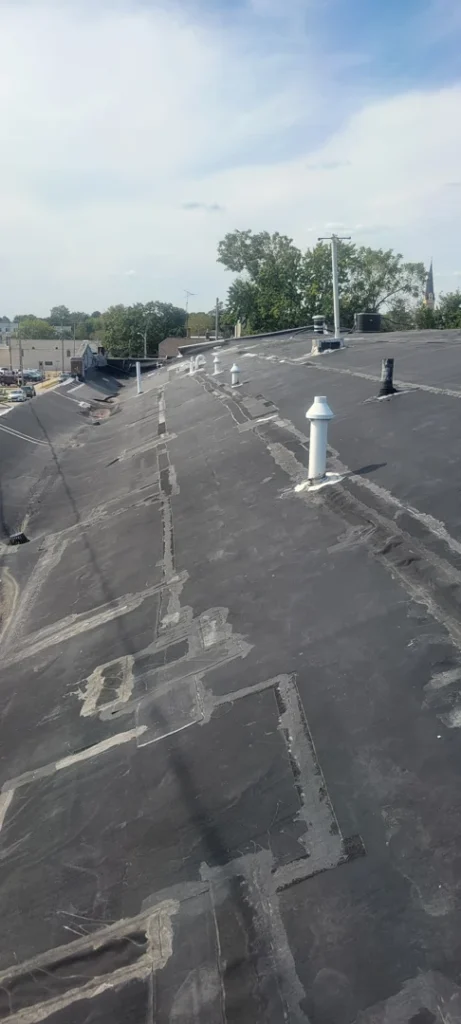
Coatings are not a shortcut for a roof with widespread wet insulation, major structural damage, or failing substrate. A qualified contractor should identify those issues first, repair what can be repaired, and recommend replacement only when restoration is not the responsible option.
I am Josh Yutzy of Yutzy Roofing Service, LLC. Our family business has served Wisconsin since 1995, and our experience with commercial roof coating experts helps building owners choose durable restoration systems backed by labor and material warranties of up to 20 years.
Must-know commercial roof coating experts terms:
Why Partner with Commercial Roof Coating Experts for Flat Roof Restoration
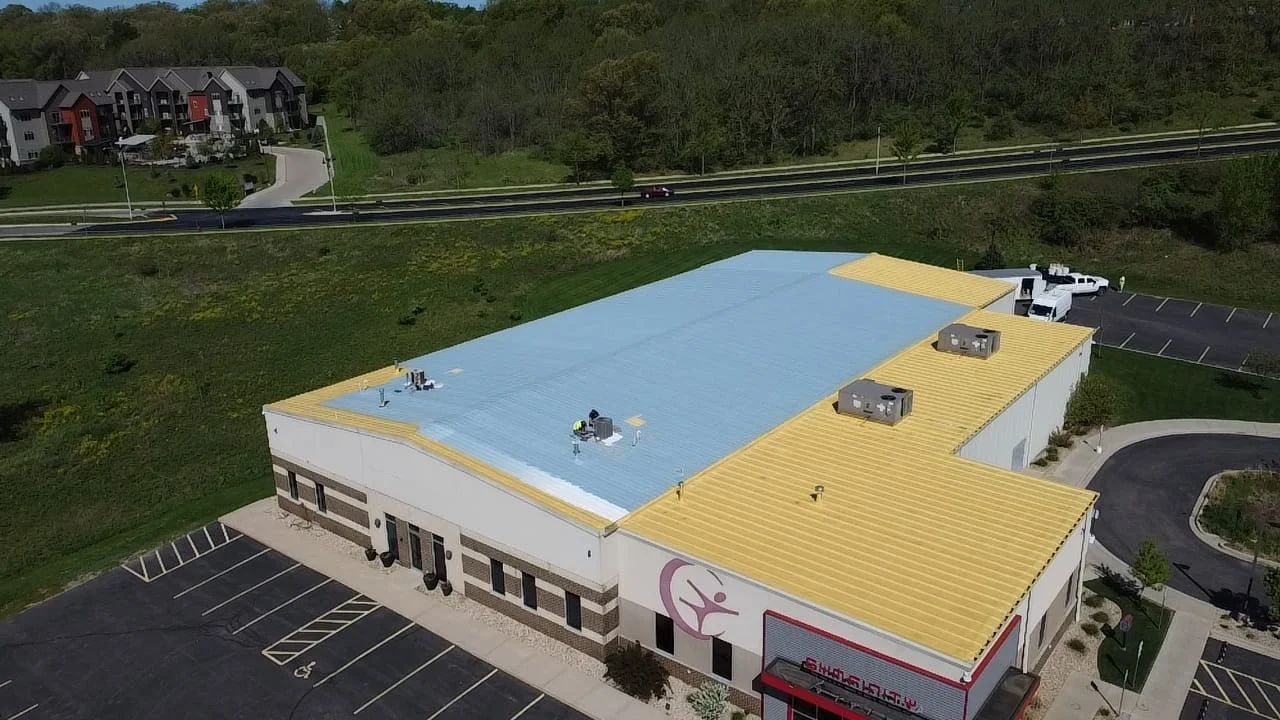
Commercial flat roofs carry the heavy burden of shielding industrial plants, warehouses, medical centers, and retail stores from severe seasonal shifts. Over time, thermal movement, intense UV degradation, and trapped moisture degrade commercial membranes like EPDM, TPO, PVC, and modified bitumen. When failure begins, facility managers often assume a disruptive and expensive tear-off is the only path forward.
Partnering with trained roofers changes that narrative. High-performance roof restoration delivers a monolithic layer across the entire surface. Because commercial roof coatings protect your business by eliminating mechanical seams, flashings, and fasteners where water traditionally breaches, they transform a vulnerable assembly into a fully rejuvenated, waterproof shield.
Specialized fluid-applied membranes, including spray polyurethane foam (SPF) and high-solids silicone systems, solve aging issues without disturbing your interior operations. Spray foam systems deliver an insulating, self-flashing layer that seals complex roof penetrations, while elastomeric topcoats resist extreme weather.
How Commercial Roof Coating Experts Extend Membrane Lifespans
A properly engineered coating application adds 15 to 25 years of service life to an existing commercial roof. Learning the waterproof truth about commercial flat roof coating begins with understanding substrate adhesion and seam stability. Most flat roof failures occur at the transitions: field seams, expansion joints, parapet walls, and equipment curbs.
Commercial coatings address these weak points directly through a systematic approach:
- Embedded stitch-bonded polyester fabrics bridge moving joints.
- High-tensile elastomeric mastics encapsulate rusted or backing-out fasteners.
- Fluid chemistry creates chemical and mechanical bonds directly to properly primed substrates.
By creating a resilient barrier over the underlying membrane, coatings shield your roof from thermal shock—the rapid expansion and contraction caused by sudden temperature drops that splits aged rubber and asphalt.
Energy Efficiency and Cooling Cost Reductions
The financial advantages of fluid-applied coatings go far beyond stopping active water intrusion. High-solids elastomeric and silicone coatings reflect up to 85% of solar radiation away from your facility. Traditional dark membranes absorb solar energy, driving rooftop temperatures up to 160°F or higher on warm summer days. A reflective coating can reduce rooftop surface temperatures down close to the ambient outdoor temperature.
This dramatic reduction in heat transfer eases the strain on rooftop HVAC units. Lower cooling demand yields up to 30% lower AC bills during peak utility demand periods. Exploring commercial roof coatings top benefits for Madison WI and surrounding communities reveals how reflective roofing curbs interior hot spots, cuts maintenance calls on overtaxed compressors, and reduces overall carbon emissions.
Comparing Coating Materials: Acrylic, Silicone, Polyurethane, and Asphalt
Selecting the proper chemistry is critical to long-term restoration success. Different building profiles, roof slopes, drainage conditions, and chemical exhaust environments require tailored coating formulations. Reviewing our detailed guide to roof coating options helps clarify which material best matches your building profile.
| Coating Type | Primary Chemistries | Ponding Water Tolerance | UV Resistance & Reflectivity | Foot Traffic Resistance | Best Commercial Applications |
|---|---|---|---|---|---|
| Elastomeric Acrylic | Water-based acrylic polymers | Low to Moderate (Requires positive slope) | High reflectivity (up to 85%) | Moderate | Well-drained EPDM, metal, aged PVC, and TPO roofs |
| High-Solids Silicone | Moisture-cured silicone polymers | Excellent (Withstands standing water indefinitely) | High UV stability; does not chalk or degrade | Low to Moderate (Can be slick when wet) | Low-slope flat roofs, structural ponding areas, SPF installations |
| Aromatic / Aliphatic Polyurethane | Polyurethane resin blends | High | Moderate to High (Topcoat dependent) | High tensile strength and impact resistance | High-traffic equipment areas, industrial roofs with heavy foot traffic |
| Asphalt Emulsion / Aluminum | Bitumen emulsion with aluminum flakes | Moderate | Moderate reflection; good initial base | Moderate | Rejuvenating aged built-up (BUR) and modified bitumen systems |
Elastomeric Acrylic Roof Coatings
Elastomeric acrylic coatings are water-based formulations that balance performance and cost efficiency. Learning why acrylic roof coating is the coolest choice for your building comes down to its outstanding solar reflectance and ease of application. Acrylics cure into an elastic membrane that expands and contracts alongside metal and single-ply membranes during wide temperature swings.
Because acrylics cure via water evaporation, they perform best on roofs with positive drainage where water does not sit for prolonged periods. For facilities across Wausau, Eau Claire, and Green Bay with adequate pitch, multi-coat acrylic systems offer an economical, highly reflective waterproofing layer.
Silicone and Polyurethane Formulations
Where flat roofs suffer from low spots, poor drainage around scuppers, or structural deflection, silicone is the industry standard. Moisture-curing silicone does not break down under continuous water contact, making it ideal for low-slope roofs susceptible to ponding. Exploring the 7 surprising advantages of roof coatings and sealants highlights silicone’s natural resistance to oxidation, biological growth, and extreme UV degradation.
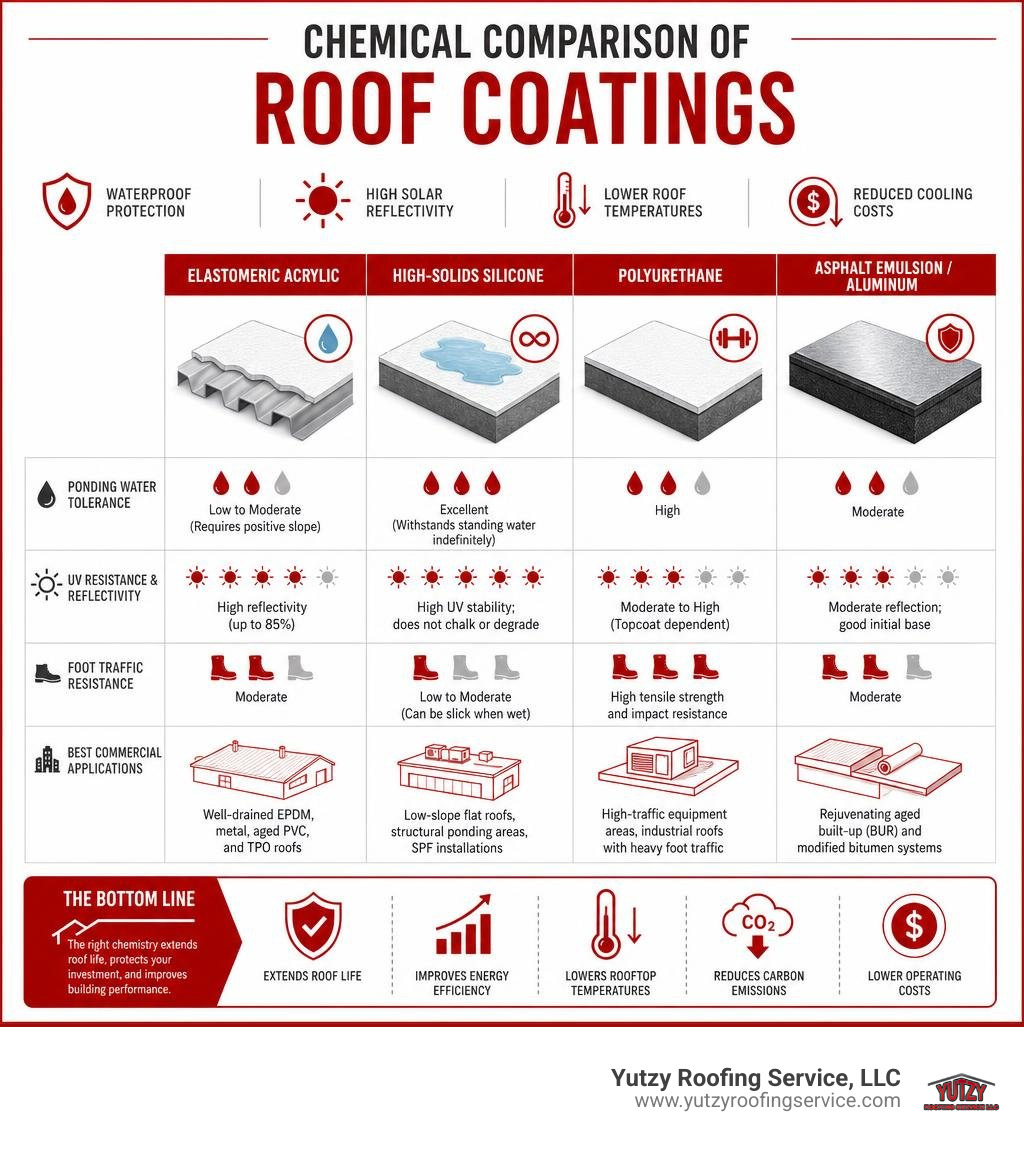
Polyurethane coatings offer high tensile strength and puncture resistance. These systems are frequently applied as aromatic basecoats for adhesion and durability, paired with aliphatic topcoats that withstand foot traffic and direct sun exposure around commercial chillers and heavy mechanical units.
Commercial Roof Coating vs. Full Roof Replacement

Tearing off a commercial flat roof involves substantial labor, heavy disposal fees, exposure to interior weather hazards, and noisy operational disruptions. A commercial restoration avoids the tear-off entirely by utilizing the existing, structurally sound roof substrate as a foundation.
Using high-grade formulations like the best Conklin coatings to save your roof, facility owners can secure comprehensive waterproofing at roughly one-third to one-half the expense of a complete replacement. Additionally, keeping tons of petroleum-based membrane, insulation board, and fasteners out of local landfills provides a substantial environmental advantage.
Tax Advantages Under Section 179
The financial benefits of roof restoration extend straight into year-one accounting advantages:
- Operating Expense Classification: Roof coatings are frequently classified as standard maintenance or repair rather than a capital improvement.
- Immediate Tax Deduction: Under Section 179 of the IRS tax code and related tax provisions, qualifying commercial roof restorations can often be 100% written off in the first year of completion.
- Cash Flow Preservation: Instead of depreciating a capital roof replacement over a 39-year schedule, maintenance reclassification allows business owners to recover capital immediately, improving short-term cash flow and total return on investment.
Always consult your certified tax professional to verify how current tax incentives apply to your commercial property investments.
Warranty Protection and Long-Term Value
A primary concern when investing in roof care is performance longevity. Professional roof coatings applied by certified contractors come with 10-year, 15-year, 18-year, and 20-year performance warranties covering both labor and materials.
At Yutzy Roofing Service, our up to 18-year non-prorated renewable warranties provide dependable protection. When the warranty period reaches its term, the roof does not need to be replaced. Our technicians simply inspect the surface, clean the topcoat, perform targeted touch-ups, and apply a fresh top layer to renew the warranty for another extended term.
The Professional Flat Roof Coating Process
Achieving a durable, seamless fluid-applied membrane requires careful preparation. Applying high-performance coatings over dirty, wet, or failing substrates will lead to premature peeling.
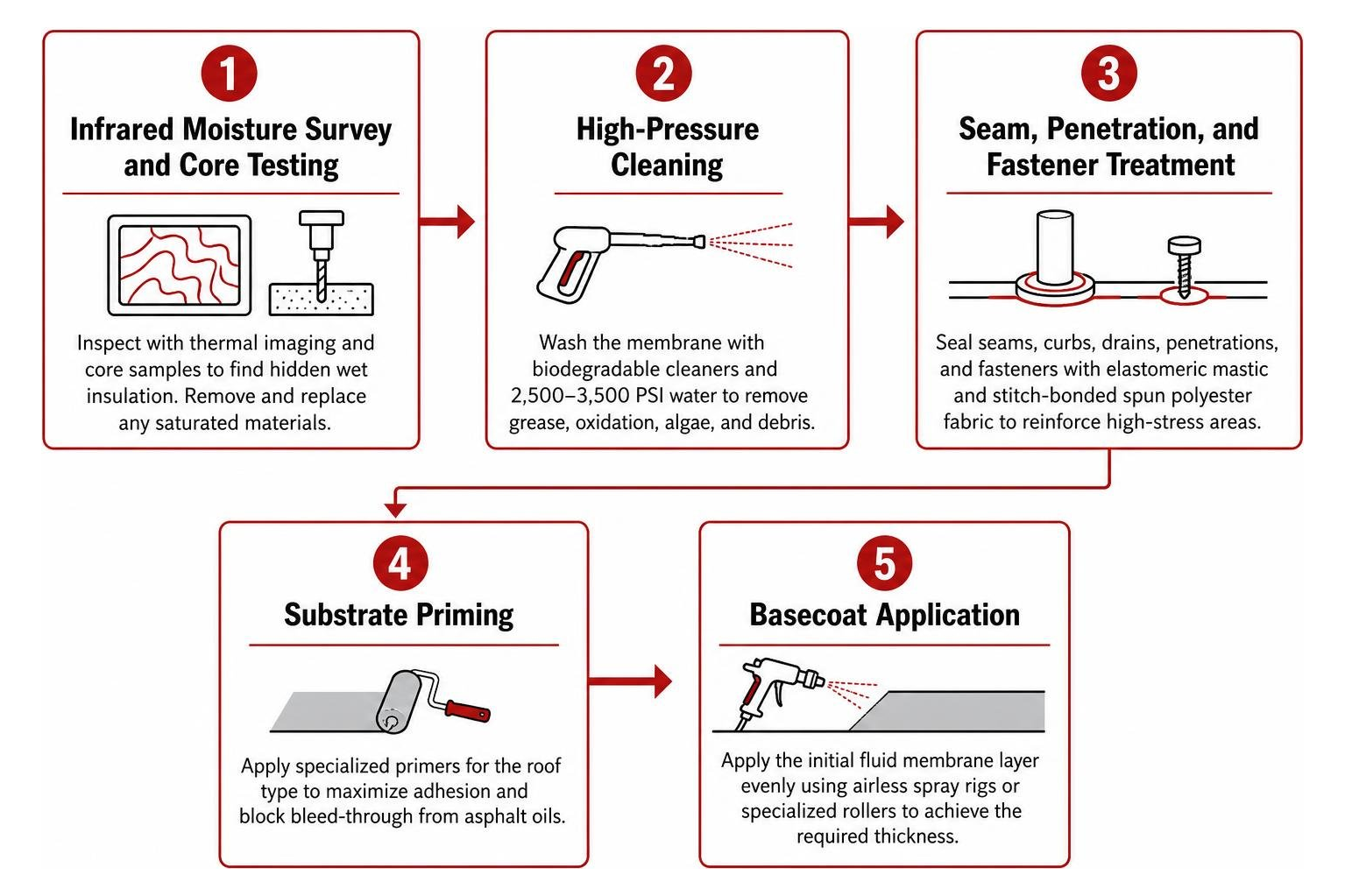
- Infrared Moisture Survey and Core Testing: We inspect the roof deck using thermal imaging and destructive core samples where necessary to identify any hidden pockets of wet insulation. Any saturated substrate must be removed and replaced with dry, matching materials before coating.
- High-Pressure Cleaning: The existing membrane is washed using specialized biodegradable cleaners and high-pressure water systems (2,500–3,500 PSI) to remove grease, oxidation, biological growth, and accumulated debris.
- Seam, Penetration, and Fastener Treatment: Every seam, curb, drain ring, conduit penetration, and roof fastener is detailed. We apply heavy-bodied elastomeric mastic reinforced with stitch-bonded spun polyester fabric to lock down high-stress transition areas.
- Substrate Priming: Depending on the roof type (such as aged EPDM, weathered TPO, or modified bitumen), specialized chemical primers are applied to maximize chemical adhesion and block bleed-through from asphalt oils.
- Basecoat Application: The initial fluid membrane layer is applied evenly using commercial-grade airless spray rigs or specialized roller setups to establish core millage thickness.
- Topcoat Application and Quality Audit: A bright white, UV-blocking topcoat is applied in a cross-hatch pattern to ensure uniform coverage without pinholes or thin areas. We take wet-film and dry-film mil thickness measurements throughout the project to verify that the completed system meets all manufacturer warranty standards.
Selecting the Right Contractor for Commercial Roof Restoration
A coating system is only as dependable as the crew applying it. Liquid-applied systems require precise chemical mixing, strict temperature control, and rigorous surface profiling. Reviewing the ultimate guide to flat roof coating experts and maintenance plans can assist in evaluating local service providers.
Key Credentials Commercial Roof Coating Experts Must Possess
To avoid premature coating failure, dont let your roof flop finding the best flat roof coating contractors by thoroughly checking these vital credentials:
- Manufacturer Authorization: The contractor must be certified by top coating manufacturers to offer non-prorated, multi-decade material and labor warranties.
- Specialized Commercial Portfolio: Confirm the company regularly coats commercial facilities, warehouses, and low-slope roofs rather than treating fluid coatings as an occasional side service.
- Comprehensive Insurance and Safety Compliance: Verify active commercial general liability coverage, worker’s compensation, and strict adherence to OSHA fall protection guidelines.
- Local Climate Experience: Contractors operating in Wisconsin and Minnesota must understand how regional freeze-thaw cycles and severe winter snow loads affect membrane flexibility.
We maintain these rigorous standards across all our service locations, including Marshfield, Appleton, Eau Claire, Fond Du Lac, Green Bay, Madison, Wausau, Mankato, and Rochester.
Scheduled Maintenance and Long-Term Upkeep
Even the most resilient roof coatings require basic care to maximize their functional lifespan. Establishing a semi-annual preventive maintenance plan ensures minor issues are resolved before they cause leaks:
- Semi-Annual Inspections: Conduct formal walks in spring and fall to inspect flashings, expansion joints, and membrane continuity.
- Drain and Scupper Clearing: Keep all internal drains, conductor heads, downspouts, and scupper boxes free of leaves, tree branches, and windblown debris.
- HVAC Path Maintenance: Install designated walkway pads or high-durability polyurea paths in areas that experience routine service traffic from mechanical technicians.
- Post-Storm Assessments: Inspect the roof after severe hail, straight-line winds, or heavy winter blizzards to verify that mechanical equipment panels or windblown debris have not gouged the surface.
Frequently Asked Questions About Commercial Roof Coatings
Can a leaking or aged commercial roof still be coated?
Yes, provided the underlying insulation is structurally sound and dry. A leaking roof does not automatically require a total tear-off. Our team performs an infrared moisture scan to pinpoint the exact locations of trapped water. We cut out and replace localized damp insulation with clean, dry materials, seal the compromised seams, and then apply the complete coating system over the entire restored roof deck.
How long does commercial roof coating installation take?
A standard 20,000 to 50,000-square-foot commercial roof coating project typically takes between 3 to 7 working days, depending on weather conditions, cleaning needs, and surface detailing. Because spray application produces minimal noise, zero toxic tear-off fumes, and requires no open flames, your daily business operations, warehouse workflows, and customer traffic continue uninterrupted throughout the entire process.
Are commercial roof coatings suitable for roofs with ponding water?
Yes, but material selection is paramount. Acrylic coatings are water-based and will eventually soften and delaminate if subjected to standing water for extended periods. For low-slope flat roofs where water ponds around structural depressions or drains, high-solids silicone coatings are required. Silicone polymers are hydrophobic and cure under moisture, allowing them to withstand ponding water indefinitely without blistering or losing adhesion.
Conclusion
Commercial roof restoration offers building owners a practical way to resolve active leaks, reduce operating overhead, and gain long-term warranty protection without the disruption of a complete tear-off. By pairing modern elastomeric chemistries with qualified installation, you protect your building while lowering your energy consumption and operating costs.
If you are ready to stop managing repeated leak repairs and want a proven approach to fixing your flat roof without getting buried in gravel, our crew is here to help. Contact Yutzy Roofing Service, LLC today to schedule your comprehensive on-site commercial roof evaluation and discover how our renewable restoration systems safeguard your investment for decades to come.
