Why the Best Caulk for a Metal Roof Is the Difference Between a Dry Building and a Costly Leak
Finding the best caulk for metal roof repairs and maintenance doesn’t have to be complicated. Here’s a quick answer:
Top caulks for metal roofs at a glance:
| Product | Type | Best For |
|---|---|---|
| Titebond WeatherMaster | Polymer | All-purpose sealing, extreme temps |
| GE Metal Silicone 2 | 100% Silicone | Fast-curing, UV resistance |
| Liquid Rubber MetalSafe | Liquid membrane | Rust prevention, restoration |
A metal roof can last over 50 years — but only if the right sealant is protecting its seams, fasteners, and joints. When sealant fails, water gets in. And in Wisconsin, where winters are brutal and summers push temperatures to the extreme, that failure can happen faster than you’d expect.
The problem isn’t the metal panels themselves. It’s the gaps between them.
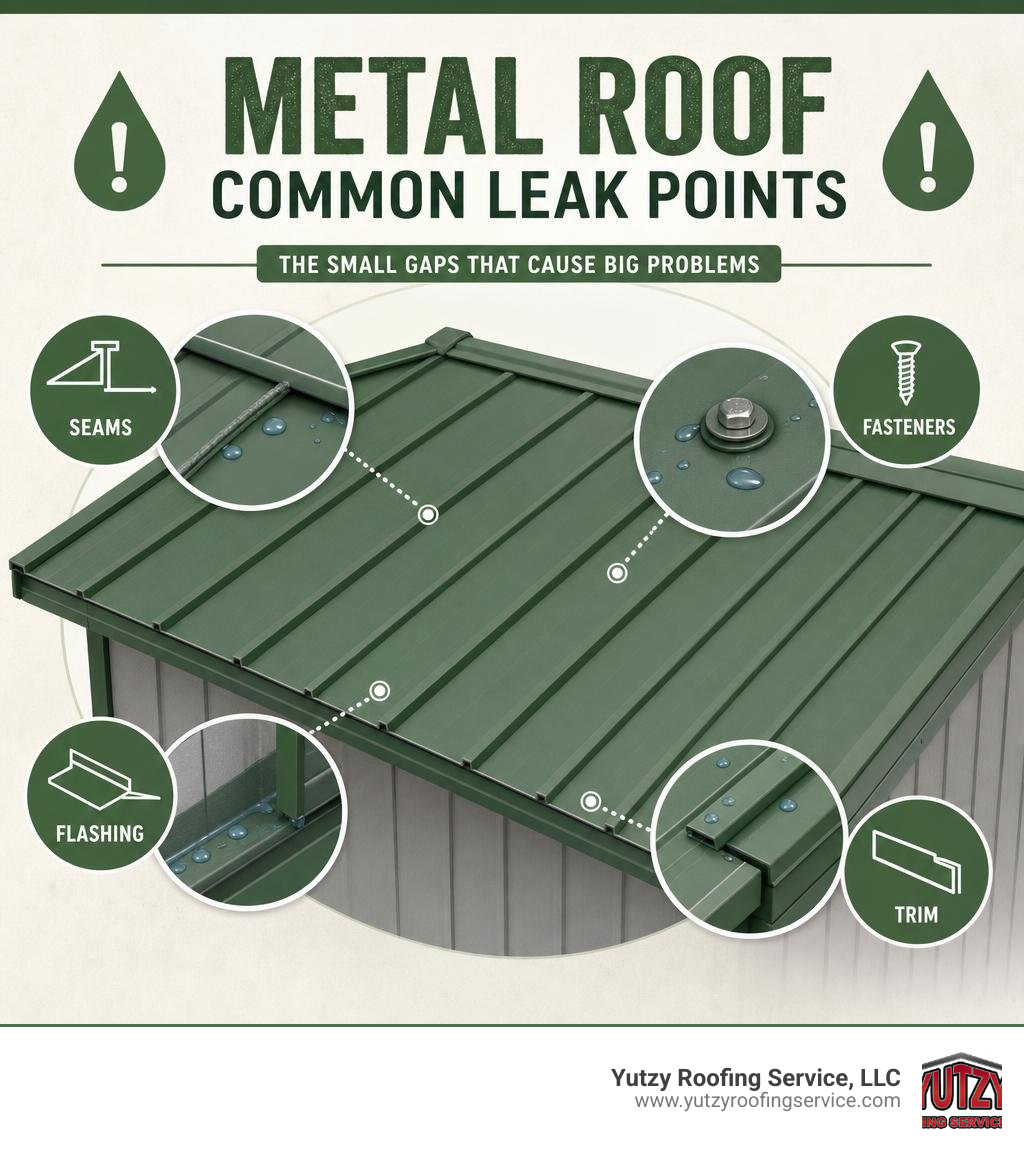
Seams, screw penetrations, flashing edges, and trim overlaps are all vulnerable points. One failed bead of caulk can let in enough moisture to damage insulation, rust fasteners, and rot structural decking — turning a small maintenance item into a major repair bill.
The good news: choosing the right sealant and applying it correctly can stop leaks before they start and restore aging roofs without a full tear-off.
I’m Josh Yutzy of Yutzy Roofing Service, LLC — a family roofing business serving Wisconsin, Missouri, and Kansas since 1995, with decades of hands-on experience selecting the best caulk for metal roof systems across commercial properties. In the sections below, I’ll walk you through exactly which products perform best and how to use them right.
Essential best caulk for metal roof terms:
Understanding Metal Roof Sealant Types (Silicone vs. Polyurethane vs. Butyl)
To choose the best caulk for metal roof applications, we must first understand that not all caulks are created equal. Metal roofing panels are subjected to intense physical and environmental stress. Choosing a generic hardware store caulk can lead to premature failure, adhesive rejection, and destructive leaks.
According to technical research on How to Choose a Metal Roof Sealant – H.B. Fuller, the longevity of your roof’s sealant often dictates the overall lifespan of the roof itself. While commercial metal panels can easily last half a century, a sub-par sealant might fail in under five years, exposing the entire structure to water damage.
The three primary types of sealants used in metal roofing assemblies are silicone, polyurethane, and butyl. Each has specific properties that make it suitable for different areas of the roof.
| Sealant Type | Best Use Case | Key Strengths | Key Weaknesses |
|---|---|---|---|
| Silicone (Neutral Cure) | Exposed joints, penetrations, flashings | Outstanding UV resistance, lifetime flexibility, handles extreme heat | Non-paintable, poor adhesion to dirty surfaces |
| Polyurethane / Hybrid Polymers | Exterior seams, dynamic joints, color-matched areas | Exceptional adhesion, highly flexible, paintable, tough physical barrier | Can degrade faster under direct UV exposure than pure silicone |
| Butyl (Tape or Gun Grade) | Hidden lap joints, metal-to-metal sandwich joints | Non-curing, extremely high tack, air and moisture tight, self-healing | Sensitive to direct UV (must be concealed between panels) |
Thermal Movement and the Need for Flexibility
A challenge of sealing commercial metal roofs is thermal expansion and contraction. Metal panels act like giant thermometers. As temperatures swing from sub-zero winter nights in Wausau or Eau Claire to scorching summer afternoons, the metal panels expand and contract significantly.
If you apply a rigid caulk, the shear stress from this movement will tear the sealant away from the metal substrate. This is why joint movement capability (measured as a percentage) is so critical. A high-quality hybrid polymer or silicone sealant can handle joint movement of up to ±50%, stretching and compressing along with the building.
For a deeper dive into how these sealant properties prevent water intrusion, check out our Metal Roof Sealant: Best Types And Uses overview.
Top-Rated Products: Finding the Best Caulk for Metal Roof
When we perform commercial metal roof restorations across Wisconsin and Minnesota, we rely on heavy-duty, field-tested sealants. The products below represent the gold standard in the industry, each serving a unique purpose in a comprehensive maintenance plan.

Whether you are performing minor localized maintenance or preparing a large commercial roof for a full restoration coating, selecting the right product from this list will ensure a long-lasting, watertight seal. For professional insights on selecting materials, you can also consult The Best Waterproof Sealant For Metal Roofs – AMSI Supply.
Titebond WeatherMaster: The Best Caulk for Metal Roof Applications
If we had to recommend a single, all-around champion for topical metal roofing applications, it would be Titebond WeatherMaster Metal Roof Sealant. This premium-grade, advanced polymer formula is specifically engineered to outperform traditional silicones, tripolymers, and urethanes on metal substrates.
One of its most impressive features is its ability to adhere to Kynar coated metals, which are notoriously difficult for standard caulks to grip. It also bonds beautifully to aluminum, galvanized steel, copper, and PVC.
- Extreme Temperature Application: Unlike many caulks that require warm weather, WeatherMaster can be applied in temperatures as low as 0°F (-18°C). This is a lifesaver for winter emergency repairs in places like Green Bay or Madison.
- Zero Shrinkage: It is a 100% solids formula, meaning it won’t shrink or crack as it cures.
- Flexibility: It offers an incredible ±50% joint movement capability.
- Paintability: It can be painted with water-based paints just one hour after application (except for the translucent version).
GE Metal Silicone 2: A Reliable, Fast-Curing Option
For areas of the roof that receive direct, unrelenting sunlight, a 100% silicone formula is hard to beat. GE Sealants Silicone 2® Sealant is a neutral-cure silicone that provides exceptional UV stability and weatherproofing.
- Rain-Ready in 30 Minutes: This is one of its biggest selling points. If you are racing against an afternoon thunderstorm, this sealant cures fast enough to resist rain wash-off in just half an hour.
- No Discoloration: Standard silicones can sometimes react with high-end metal finishes. GE Metal Silicone 2 is formulated to remain chemically inert, ensuring it won’t discolor chrome, bronze, nickel, or other architectural finishes.
- Mold Protection: It features built-in product protection to resist mold and mildew growth.
- Limitation: It is completely non-paintable. If your commercial building has a specific color scheme, you must purchase the correct color-matched version upfront (such as Metallic Gray) rather than planning to paint over it.
Liquid Rubber MetalSafe: Best Caulk for Metal Roof Restoration and Rust Prevention
For older commercial metal roofs that are starting to show their age, spot-treating with standard caulk tubes isn’t always enough. When rust begins to creep along the seams and around the fasteners, you need a heavy-duty restoration solution.
Liquid Rubber MetalSafe Sealant is a specialized liquid membrane designed to stop rust in its tracks while creating a seamless, waterproof barrier.
- Built-In Rust Inhibitors: It can be applied directly over lightly rusted metal surfaces (after removing loose scale and pressure washing) without requiring a separate primer.
- Liquid Membrane Seam Sealing: Instead of a thin bead of caulk, this product is applied as a thick liquid coating over seams, joints, and penetrations. It goes on brown and dries to a durable, black rubberized protective shield.
- Restoration-Ready: It is the perfect bridge between localized caulk repairs and a full roof coating system, helping to extend the life of aging metal panels without a costly replacement.
Key Factors to Consider When Choosing a Metal Roof Sealant
Selecting the best caulk for metal roof projects requires matching the physical properties of the sealant to the specific demands of your building’s environment. In Wisconsin and Minnesota, our roofs must endure blistering summer heat, heavy autumn rain, and freezing winter snow loads.
When evaluating your options, keep these critical performance factors in mind:
- UV Stability: The roof is the most exposed part of any commercial building. Constant ultraviolet radiation from the sun degrades low-quality caulks, causing them to dry out, become brittle, and powder. Look for sealants with excellent UV ratings, such as pure silicones or high-grade hybrid polymers.
- Flexibility and Elongation: As mentioned earlier, metal roofs move constantly. A sealant must have high elongation properties (the ability to stretch without tearing) and excellent recovery (the ability to return to its original shape).
- Adhesion to Coated Metals: Many modern commercial roofs feature advanced factory finishes like Kynar 500 or Galvalume. Standard silicone or acrylic caulks will peel right off these slippery surfaces. Verify that your chosen sealant is certified to adhere to your specific roof coating.
- Weather and Temperature Limits: Consider both the application temperature (can you apply it in a freezing Wisconsin November?) and the service temperature range (will it melt or degrade when the metal roof surface reaches 150°F in July?).
For more tips on identifying weak points on your roof before choosing a sealant, read our Your Guide to Metal Roof Leak Repair and review the strategies highlighted in Choosing The Right Metal Roof Sealant for Harsh Weather Conditions.
Best Application Practices for Long-Lasting Metal Roof Seals
Even the most expensive, high-performance caulk will fail if it is applied poorly. Proper surface preparation and application techniques are the secret to achieving a seal that lasts for decades.
Follow these professional steps for every sealing project:
- Thorough Cleaning: This is the most critical step. Metal roofs collect dirt, pollen, industrial soot, and microscopic oil films. Use a pressure washer or clean rags with a solvent like isopropyl alcohol or acetone to remove all grease, moisture, and old, failing sealant. The surface must be completely dry before applying new caulk.
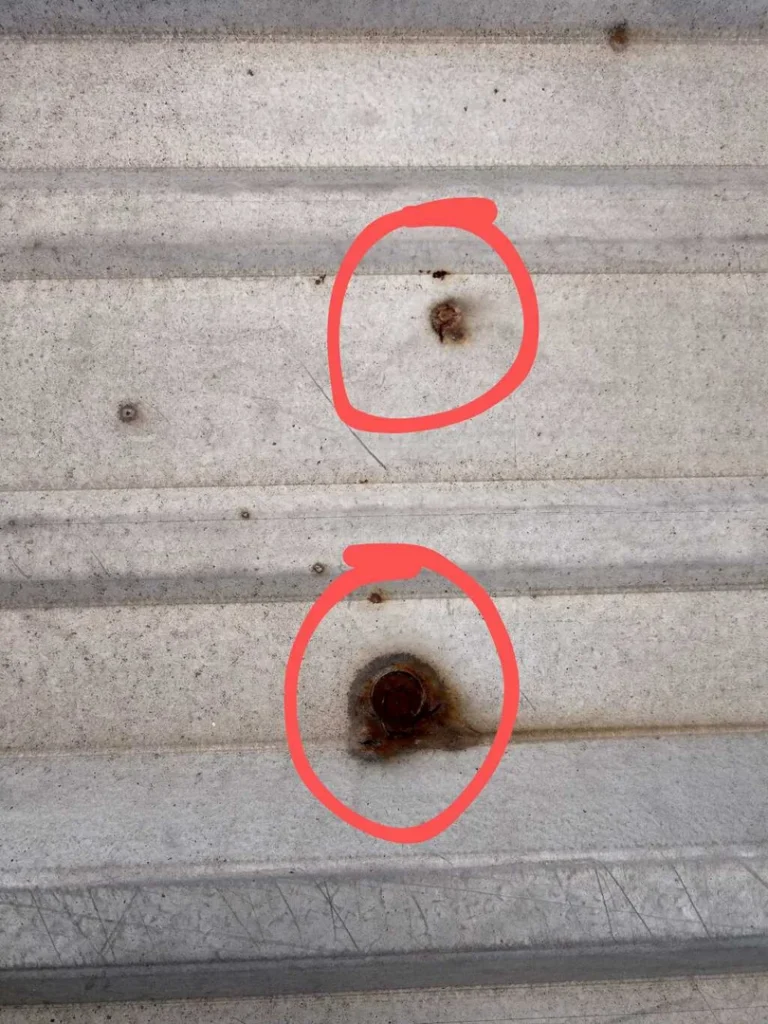
- Address Failing Fasteners First: Often, what looks like a sealant failure is actually a backed-out or crooked roofing screw. Before caulking, replace any damaged or loose screws with oversized “rescue screws” that feature fresh, larger rubber washers.
- Apply Caulk Underneath, Not Just on Top: When sealing metal laps or flashing, apply a generous bead of caulk between the overlapping metal parts before fastening them together. Squeezing caulk between the layers creates a gasket-like seal. Simply wiping a bead of caulk over the top edge of an exposed seam is far more vulnerable to weathering and physical damage.
- Proper Tooling: Once the bead is applied, use a gloved finger or a tooling spatula to press the sealant firmly into the joint. This ensures complete contact with both sides of the gap and eliminates microscopic air pockets.
- Respect Temperature Limits: Always check the product label for application guidelines. While hybrid polymers like Titebond WeatherMaster can handle freezing temperatures, most traditional caulks require temperatures to be above 40°F (4°C) to cure properly.
For a comprehensive checklist on maintaining your roof’s integrity, check out The Dos and Don’ts of Metal Roof Maintenance and learn how to spot early signs of trouble in Drip, Drip, Drip: How to Identify and Fix a Metal Roof Leak.
Frequently Asked Questions About Metal Roof Caulking
Commercial building owners and maintenance managers frequently ask us about the best ways to manage metal roof joints. Here are the answers to some of the most common questions we encounter in the field.
How long does metal roof sealant typically last?
In professional applications, you can expect a high-quality metal roof sealant to last between 10 and 20 years.
However, this lifespan is heavily dependent on the product type, exposure to UV radiation, and the amount of physical movement the roof experiences. Because sealants degrade much faster than the metal panels themselves, we recommend conducting professional roof inspections at least twice a year (spring and fall) to spot dry, cracking, or peeling caulk before it leads to an active leak.
Can you use regular silicone caulk on a metal roof?
No, you should never use standard household silicone caulk on a metal roof.
Standard silicone caulks (often called “acid-cure” or acetoxy silicones) release acetic acid as they cure. This acid smells like vinegar and will chemically attack galvanized steel, copper, and aluminum, causing rapid corrosion and premature rust directly under your new seal.
Always look for a neutral-cure silicone (like GE Metal Silicone 2), which releases a non-corrosive alcohol byproduct during the curing process and is completely safe for metal substrates.
Is butyl tape better than gun caulk for metal roof seams?
For certain applications, yes. Butyl tape (often referred to as mastic tape) is highly superior for concealed joints, such as between overlapping metal panels (lap joints) or under flashing. Because butyl tape is non-hardening and extremely tacky, it acts as a permanent, self-healing gasket that moves with the building.
However, butyl tape has very poor UV resistance. If it is exposed directly to sunlight, it will dry out and degrade rapidly. For topical, exposed joints, penetrations, and surface repairs, a high-quality gun-grade caulk (like a hybrid polymer or neutral-cure silicone) is the correct choice.
To learn more about when to use tape versus liquid caulk, read our comprehensive Mastic Tape for Metal Roofing: The Ultimate Leak-Proof Guide.
Conclusion
Finding the best caulk for metal roof repairs is a critical first step in protecting your commercial property. Whether you choose a high-performance hybrid polymer like Titebond WeatherMaster for its extreme temperature versatility, or GE Metal Silicone 2 for its unmatched UV resistance, using the right product ensures your building stays dry and structural damage is avoided.
However, on large commercial roofs, chasing individual leaks with a caulking gun can feel like a game of whack-a-mole. If your metal roof is showing widespread signs of aging, failing seams, or creeping rust, spot caulking is only a temporary band-aid.
At Yutzy Roofing Service, LLC, we specialize in commercial metal roof restorations. Serving Wisconsin communities like Madison, Appleton, Wausau, Green Bay, and Marshfield, as well as Minnesota areas like Mankato and Rochester, we provide seamless elastomeric and spray foam coatings that encapsulate your entire roof. Our restoration systems eliminate seams and fastener leaks entirely, backed by an industry-leading, up to 18-year non-prorated renewable warranty.
If you want to transition from temporary caulk repairs to a permanent, worry-free waterproofing solution, read our Metal Roof Sealant Complete Guide.
Ready to protect your commercial investment? Contact our team at Yutzy Roofing Service, LLC today to schedule a professional inspection and explore our long-term metal roof restoration options.
- To learn more about regional metal roofing considerations, explore our local guides on Metal Roofing in Appleton, Wisconsin and Metal Roofing in Green Bay, Wisconsin.
