Roof Patch Repair: Three Steps to Stop a Small Leak
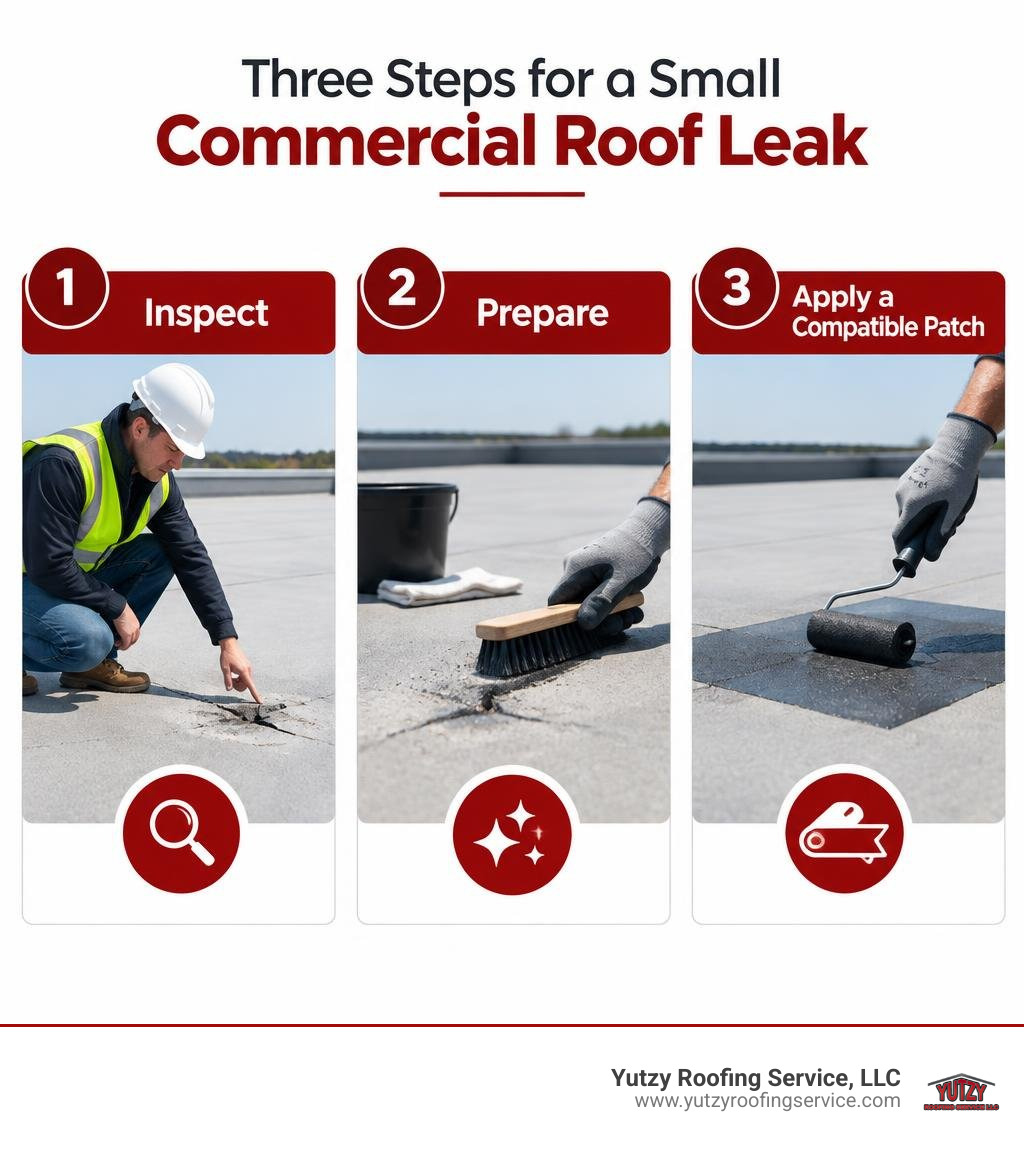
For a small leak on a commercial roof, find the damaged area, clean and dry it, then apply a patch made for that roof material. Cover the full puncture or split, leave the overlap required by the product, and allow it to cure before the next rain. If the roof is unsafe to access or moisture has spread beneath the surface, call a roofing professional rather than covering up the damage.
I’m Josh Yutzy of Yutzy Roofing Service, a family-owned roofing company that has served Wisconsin since 1995. I help commercial property owners weigh roof patch repair against longer-term repair options when leaks threaten their buildings.
Comprehensive Roof Patch Repair: Comparing Methods and Materials
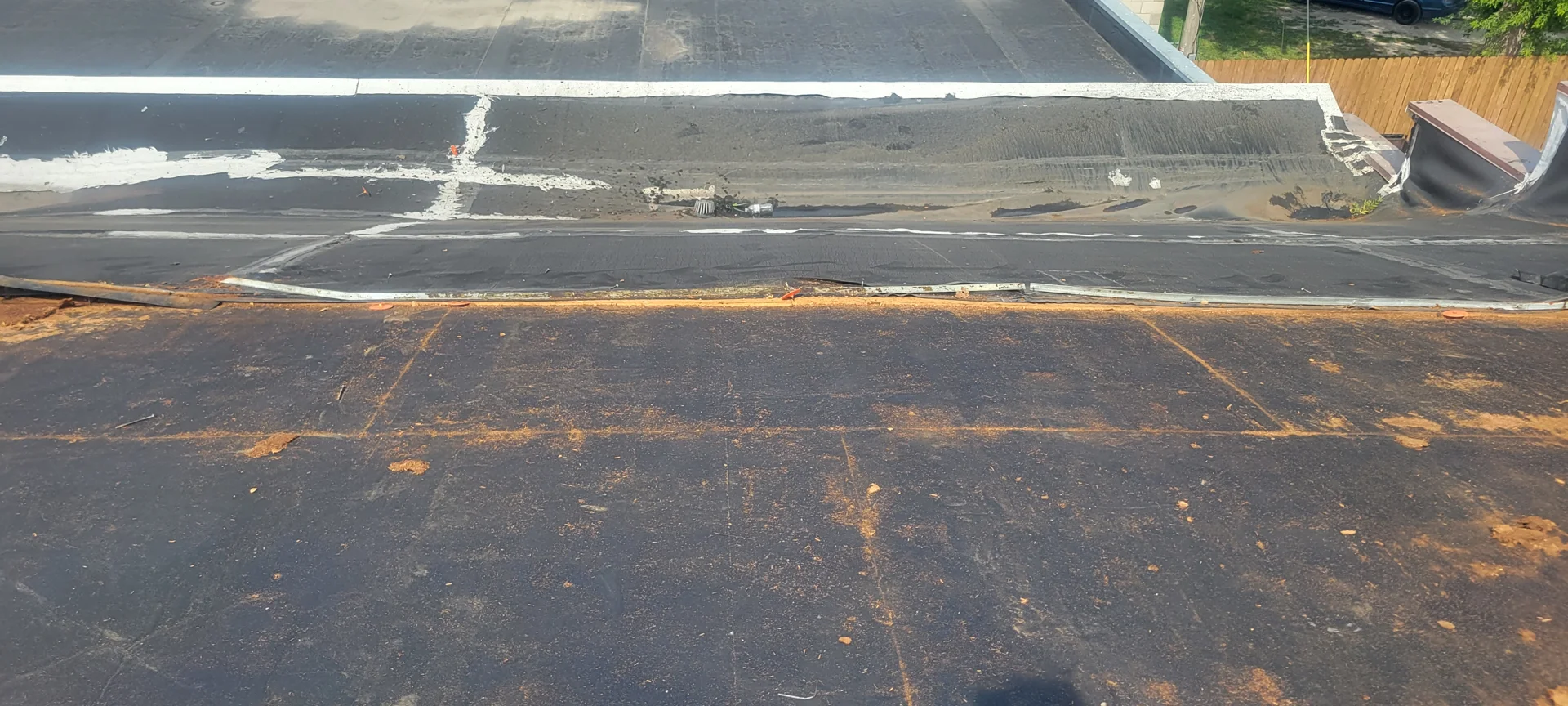
When water breaches a commercial building envelope, facility managers need fast, reliable answers. Addressing minor defects early prevents insulation saturation, structural decking rot, and costly internal asset damage.
Identifying Commercial Roof Damage and Selecting Products
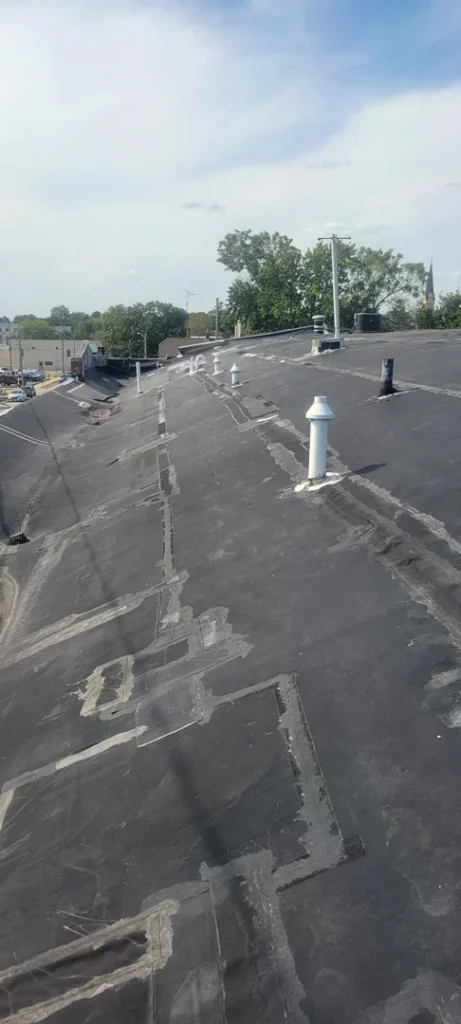
Finding the entry point on a flat or low-slope commercial roof requires a methodical approach. Water often travels along roof joists, insulation boards, and metal decking before dripping into your workspace.
Common physical defects that demand immediate attention include:
- Separated Seams and Flashing: Thermal movement causes expansion and contraction, which pulls seams apart around parapet walls, HVAC curbs, and plumbing vents.
- Membrane Punctures and Tears: Dropped service tools, sharp hail, or foot traffic can slice through single-ply sheets.
- Split Ridges and Blisters: Trapped moisture expands under summer heat, creating raised bubbles that eventually crack open.
- Backing-Out Fasteners: Mechanical fasteners holding insulation boards can loosen over time, poking through the waterproofing membrane.
Learn the basics of finding and patching commercial roof leaks by inspecting high-stress junction points first. A systematic walkthrough helps in identifying roof leaks in 5 steps, ensuring you isolate the active breach rather than patching surface dirt.
Comparing Materials for Commercial Roof Patch Repair
Choosing the right compound depends on your existing substrate—whether it is single-ply EPDM, PVC, modified bitumen, or an existing coated surface. Applying an incompatible mastic can melt membrane adhesives or fail to bond entirely.
- Elastomeric Acrylic Compounds: Water-based acrylic compounds offer remarkable elongation and UV protection. According to technical specifications for ELASTOMERIC ROOF PATCH, these products bridge gaps up to 1 inch wide and cure to a flexible, non-tacky finish. They require dry weather, as wash-off can occur if rain hits before initial setup.
- Solvent-Based Wet/Dry Sealants: Clear tripolymer or rubberized asphalt products provide an emergency barrier. The specifications for WET/DRY PATCH AND SEAL highlight formulations that adhere through surface moisture, operating across wide installation temperatures (25°F to 100°F).
- EPDM Tapes and Adhesives: Rubber roofs require specific solvent primers and cured EPDM peel-and-stick flashings. Mastering EPDM flashing and seam repair techniques prevents edge curling caused by petroleum-based incompatibilities.
- Reinforced Steel Backer Plates: For larger punctures or abandoned exhaust penetrations (up to 8 in. by 8 in.), structural items like the Gibraltar Building Products 12 in. x 12 in. Kwik-Plug Roof Repair Patch provide galvanized steel rigidity over deck openings before waterproofing layers are applied.
- Pre-Formed Butyl Flashings: Products like KING PRODUCTS QuickPatch 0.85 oz. Black Waterproof Asphalt Roof Leak Flashing use cold-applied butyl matrices with rigid metal cores to create fast seals on asphalt surfaces.
| Patch Type | Base Material | Cure Window | Compatible Substrates | Best Use Case |
|---|---|---|---|---|
| Elastomeric Patch | Water-based Acrylic | 24 Hours | Metal, Single-Ply, Modified Bitumen | UV-stable seam and split repairs in dry weather |
| Rubberized Wet Mastic | Solvent Asphalt | 24–48 Hours | Asphalt, Metal, Flashing laps | Active rain leaks and emergency storm mitigation |
| Clear Elastic Sealant | Tripolymer Resin | 24–72 Hours | Aluminum, PVC, Built-Up, Masonry | Penetration seals, skylights, multi-material joints |
| Peel-and-Stick EPDM | Cured Rubber / Butyl | Immediate bond | EPDM, Clean Metal | Membrane punctures, single-ply tears, field seams |
Coverage rates dictate your material orders. Standard heavy-bodied elastomeric or rubberized compounds yield roughly 12 square feet per gallon when applied at an industry-standard 1/8-inch thickness.
Temporary vs Permanent Roof Patch Repair Considerations
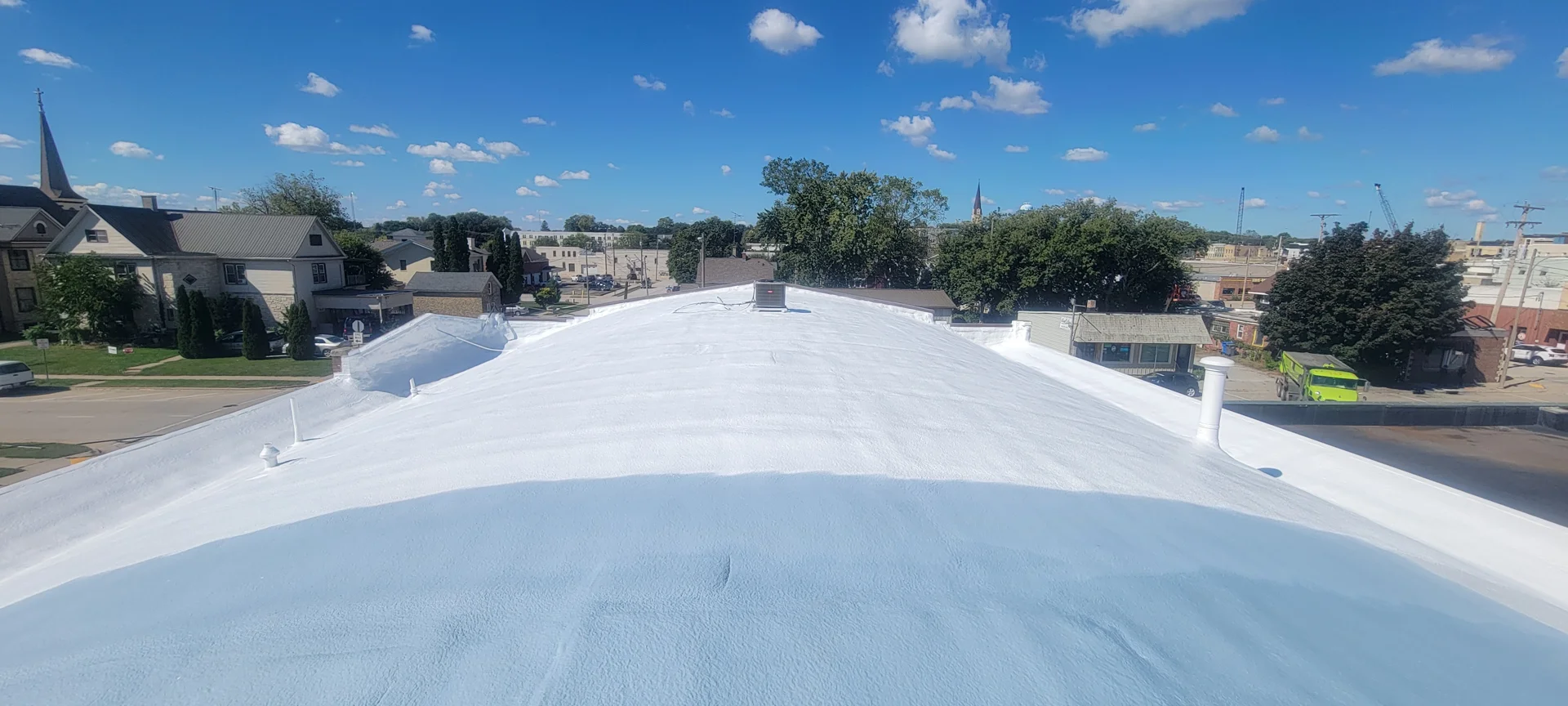
Understanding the distinction between an emergency stabilization and a permanent commercial restoration is essential for building management.
During a storm, using rubberized wet patch for urgent leaks stops water infiltration while surfaces are drenched. Formulations designed for deploying emergency roof sealants displace water to seal active leaks. However, emergency wet patches applied over damp substrates trap residual moisture underneath and should be considered temporary fixes.
A permanent roof patch repair requires dry, prepared substrates and a structural three-course reinforcement:
- Base layer of mastic or coating (1/8-inch thick).
- Embedded spun-bound polyester or fiberglass reinforcing fabric extending 2 to 4 inches past the damaged zone.
- Saturated topcoat that encapsulates the mesh completely.
When properly executed, three-course repairs flex with roof movement and deliver years of weatherproofing service.
Executing a Roof Patch in 3 Simple Steps and Long-Term Protection
Minor roof maintenance can be handled quickly if your maintenance team follows correct safety and application protocols. When damage is widespread across the facility, explore larger commercial roof leak repair solutions to protect your capital investment.
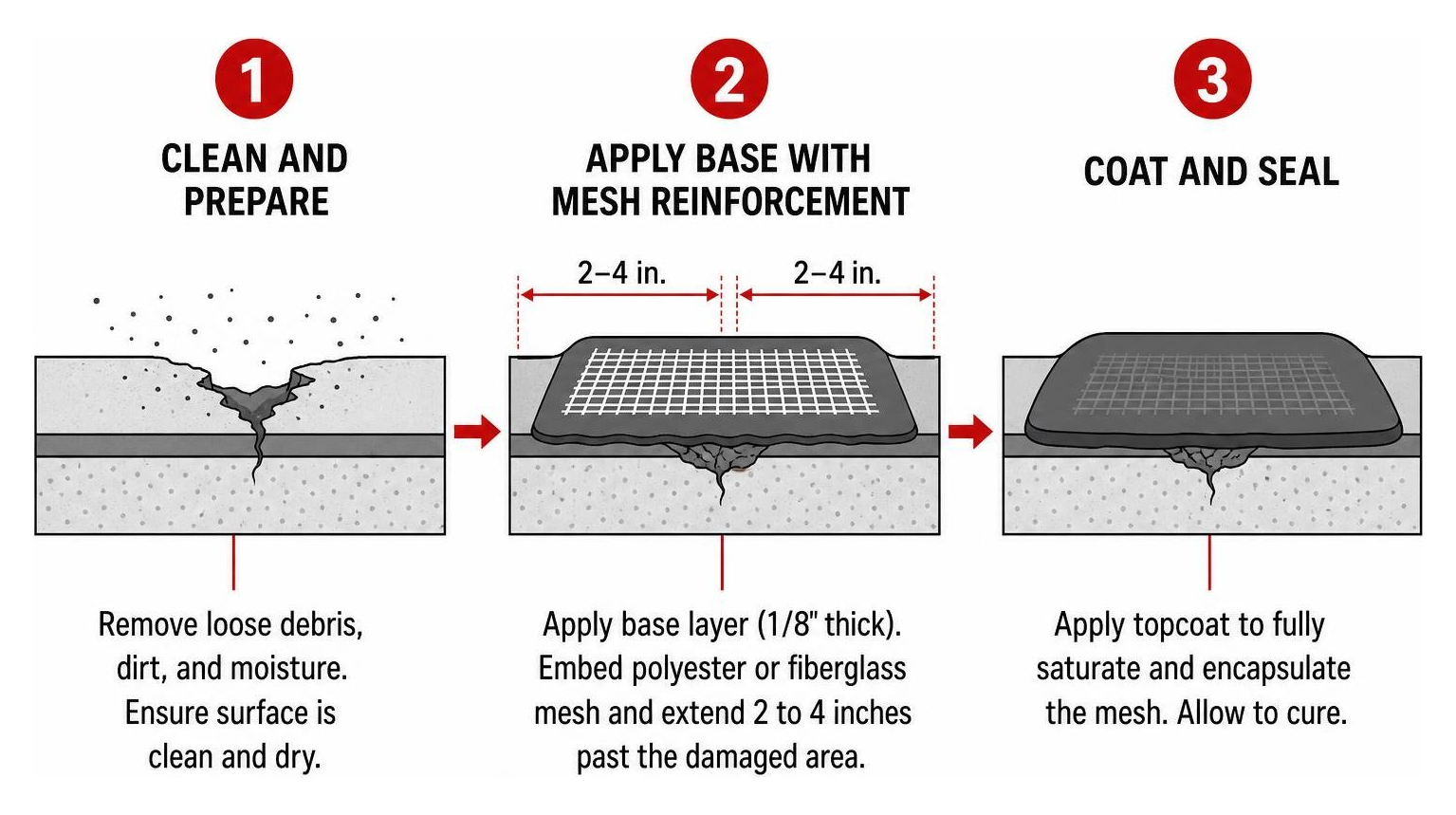
3-Step Guide to Applying Commercial Roof Patches
Follow these three steps to execute a durable patch repair on commercial roofing systems:
Step 1: Clean and Prepare the Substrate
A patch is only as strong as its bond to the clean roof deck. Clear away loose gravel, ponding silt, algae, and chalking residue.
- For metal and smooth membrane roofs, wipe the immediate repair zone with a clean rag and appropriate solvent (such as acetone or weathered membrane cleaner).
- Remove oxidized rust on metal components using a wire brush, then prime with an acrylic or epoxy rust inhibitor.
- For single-ply membranes, follow guidelines for performing DIY rubber roof repair by removing oxidized oils with specialized membrane cleaner before priming.
Step 2: Apply the Base Compound and Reinforcing Mesh
- Using a flat trowel or stiff brush, apply a 1/8-inch thick layer of your selected patch compound across the crack, tear, or penetration.
- Feather the compound at least 2 to 3 inches beyond the defect in all directions.
- Lay heavy-duty reinforcing fabric (such as polyester mesh) directly into the wet compound. Press out all wrinkles, air pockets, and fishmouths using your trowel to ensure complete wet-out.
Step 3: Topcoat and Seal the Perimeter
- Immediately apply a second coat of patching compound over the embedded fabric.
- Completely encapsulate the mesh so no fabric weave is visible.
- Taper the edges outward to ensure water flows smoothly over the repair without damming.
- Allow 24 to 48 hours for full cure before subjecting the patch to foot traffic or chemical washdowns.
Safety Protocols, Weather Factors, and Avoiding Application Errors
Roof safety requires zero compromises. Commercial flat roofs present serious perimeter fall hazards and fragile skylight openings.
- Maintain complete OSHA compliance: Use personal fall arrest systems (PFAS) or temporary guardrail systems when working within 6 feet of an unprotected edge.
- Never step on corrugated plastic skylights or deteriorated decking.
- Check the weather: Apply water-based elastomeric compounds only when ambient and surface temperatures are between 40°F and 100°F, relative humidity is below 85%, and no rain is forecast for at least 24 to 48 hours.
- Keep surface temperatures below 100°F during application; on hot summer days, work in early morning hours to prevent rapid skinning and blistering.
Avoid common installation errors, such as bridging open cracks without mechanical reinforcement, applying asphalt mastic over single-ply EPDM, or failing to address soaked sub-insulation.
If interior water damage has already compromised your ceilings, review our guide to interior and exterior commercial roof repairs to identify hidden risks. When commercial roof leaks outpace spot patches, Yutzy Roofing Service provides full roof restorations backed by up to 18-year non-prorated renewable warranties across Madison, Appleton, Wausau, and surrounding Wisconsin and Minnesota communities. Contact our team to keep your commercial property protected year-round.
